




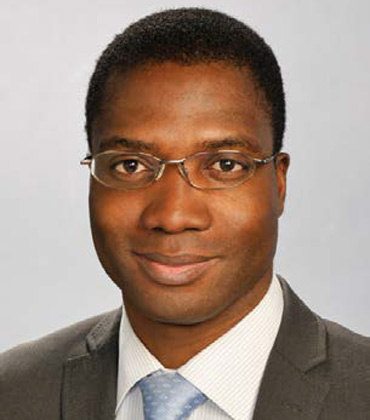
 Dr. Navigué Pierre SORO, Founder
“Once we come onboard their leader’s ship, we never leave them alone,” says Dr. Navigué Pierre SORO, Founder. “We see ourselves as lifelong partners helping, encouraging and advising leaders to refine their leadership.”
Starting With Leadership Clarity
GLTC begins by assessing where a leader or team currently stands. It uses three tools, leaders’ self-evaluation, leader’s compass and wave professional assessment, selecting the approach according to the client’s needs. The responses help leaders determine whether training, consulting or a combination of both is the right next step.
Much of the work focuses on clarifying fundamentals that are often treated as interchangeable. Clients examine the difference between management and leadership, vision and mission and the core elements that hold an organization together. Existing practices are reviewed through exercises and guided questions, giving leaders a way to test whether what they have in place is still effective for their context.
Steward Leadership forms the foundation of GLTC’s approach. It treats every employee as a steward responsible for the assignments entrusted to them, extending accountability beyond senior management. By recognizing the role of employees closest to daily operations in decision-making, the model shifts responsibility from a top-down style toward bottom-up leadership, making transformation accountable and effective.
Turning Reflection Into Direction
A client case shows how that assessment can change a leadership path. One frustrated co-founder of an organization approached GLTC, after more than 15 years of building his organization with a partner. During self-evaluation and leader’s compass work, he recognized that the vision they once shared had diverged and that decisions were increasingly being made separately.
-
Once we come onboard their leader’s ship, we never leave them alone.
Two months later, the client told GLTC that the engagement helped him see the need to move on and build something new around his own vision. GLTC is now working with him as he establishes the leadership team for the new organization.
The example reflects the firm’s preference for practical examination over abstract instruction. Exercises, questions and review sessions help leaders identify whether current structures, decisions and leadership habits are working. Where they are not, GLTC works with the client to find alternatives suited to the organization’s circumstances, helping clear the fog around vision and direction before problems become harder to address.
Staying Alongside the Leader
Support continues after a formal engagement ends. GLTC remains in contact with clients, uses self-evaluation as an ongoing reference point and encourages leaders to return with questions as new situations arise. It wants to be a dependable partner in both thriving and stormy periods, particularly for small and medium-sized enterprises where leaders may feel alone when difficulties emerge.
In those moments, GLTC sees its role as listening, encouraging and advising rather than leaving leaders to navigate uncertainty by themselves. Its preventive approach focuses on recognizing when vision is becoming unclear, when teams are drifting and when leadership practices need adjustment before the situation reaches a crisis.
GLTC also connects academic thinking with real-world leadership practice. Its work with businesses and academic institutions gives it what Dr. Navigué Pierre SORO describes as one foot in academia and the other in the corporate world. It also holds that the physical and spiritual dimensions of a person work together, reflecting its intent to examine leadership without leaving important aspects of the individual unchecked.
Recognition as Top Team Training & Transformational Leadership Services in Europe 2026 reflects a model centered on clarity, responsibility and continuity. GLTC’s next stage is focused on becoming a trusted partner to organizations across Europe, helping leaders find direction when circumstances look foggy and strengthening the teams they rely on to move forward.
